
Single-page website + Google Ads: How to consistently generate sales in a highly competitive market? A practical case study analysis.
Today, I'll show you a real-world example of a single-page Google Ads campaign – and explain why some websites can consistently generate sales even in highly competitive markets.


Today, I'll show you a real-world example of a single-page Google Ads campaign – and explain why some websites can consistently generate sales even in highly competitive markets.
Website 1,https://buyaquatheory.com
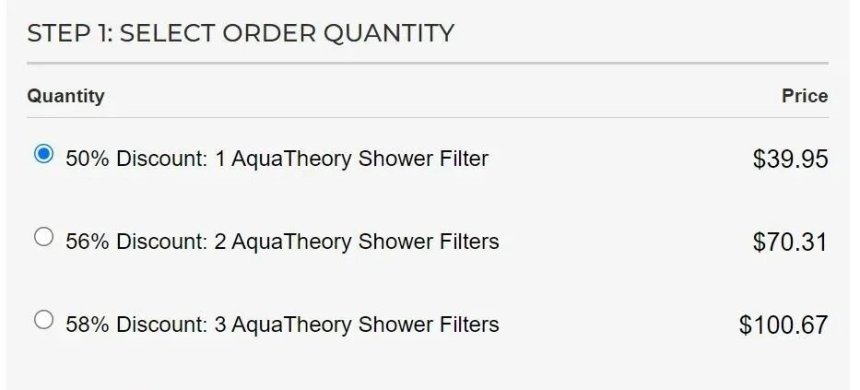
This website sells shower heads. It's a single-page website, and the prices are as follows: one shower head costs $39.95, two cost $70.31, three cost $100.67, and four cost $127.84.
So let's check how much similar products are selling for on AliExpress. I found an identical product on AliExpress that has already sold 390 units, many of which are likely dropshipping orders. The price ranges from $10.98 to $12.84, so the independent e-commerce websites mentioned above are basically selling them at 3-4 times the price.
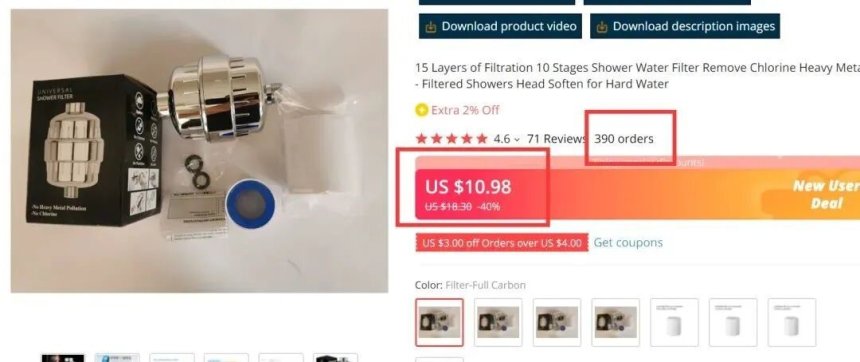
However, why is this product so expensive? There are cheaper options on AliExpress, so why would foreigners place orders? This involves an information gap and the issue of traffic sources. AliExpress is not widely used or considered mainstream in European and American countries. Furthermore, as long as your e-commerce website has traffic and occupies a significant traffic source, you will get orders.
Next, let's look at how this single webpage attracts users:
1. List three major advantages and offer a 50% discount.
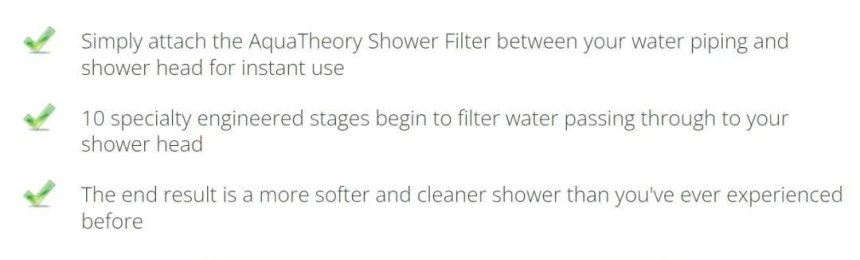
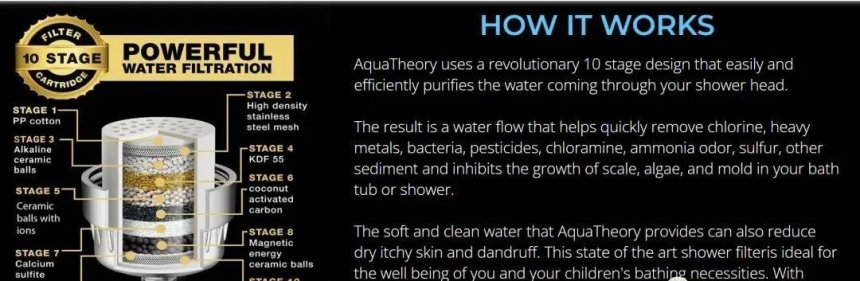
2. Provide a detailed explanation of how it works and how it addresses people's needs.
3. Providing users with top-rated reviews is also very important for conversions.
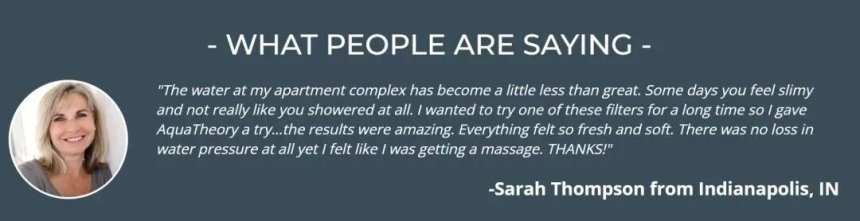
For this type of product, current advertising efforts mainly fall into two categories: targeted search advertising (on platforms like Google and Yahoo) and native advertising (including platforms such as AdRoll, Outbrain, and Taboola).
You can start with search advertising. Initially, we'll select 5-10 keywords for advertising, using one campaign, one ad group, and 3-5 ads. We expect to attract 50-100 visitors per day, with an estimated cost per click (CPC) of around $0.50. This means the daily advertising budget will be $25-50. We aim for a conversion rate of 2-5%. This is just an estimate for testing purposes; we'll see if we can scale it up later.
A few years ago, I ran a similar product campaign, also using a self-built single-page website and Google Ads. I remember the product was an earwax removal tool, as shown in the image below, with a cost price of no more than $5 on AliExpress.
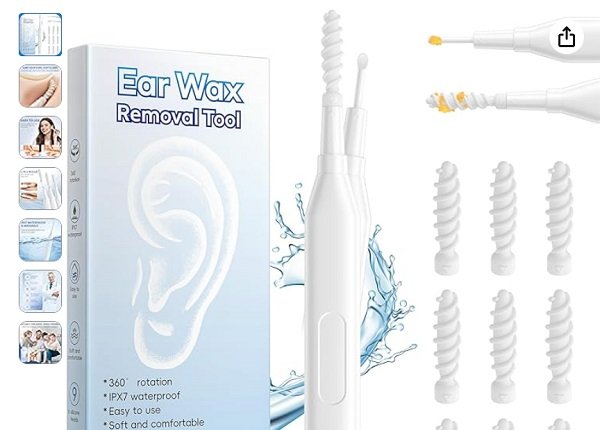
This product is indeed very good; it has high profit margins and a good conversion rate. Furthermore, most orders come from mobile devices, so everyone should definitely check how their website performs on mobile.
As mentioned before, this product is already being sold on many websites. Many people are worried about the intense competition and whether they will still be able to get orders. Some have also commented that the product's high price might deter customers from placing orders.
In fact, it shows that someone placed an order. The core of Google advertising is: presenting the right product to the most relevant customers at the right time.
There are actually many products of this type, as I mentioned in the article I shared a couple of days ago. Some sellers specifically develop and market these kinds of products. Ultimately, our goal is to learn how to develop these products ourselves.
One of the accounts maintained an overall conversion rate of around 3%, so this approach is still effective. I currently have two other accounts running ads, and my biggest competitor is an Austrian company that's running over 1000 search ads, indicating significant profitability.
However, the quality and after-sales service of these types of products can be difficult to control, which is something that often frustrates me and is the reason I don't dare to put all my eggs in this basket.
Furthermore, single-page product websites not only allow you to find suppliers and handle shipping yourself, but they also offer the opportunity to promote other websites and earn commissions. These types of products often have high commission rates; you simply need to promote them, and you don't have to worry about shipping or anything else.
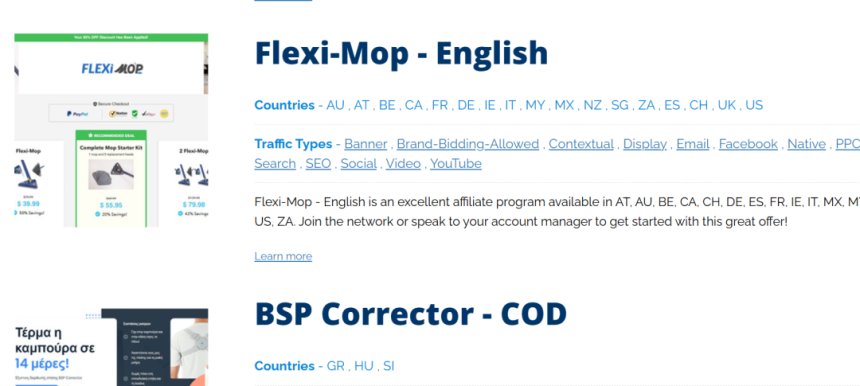
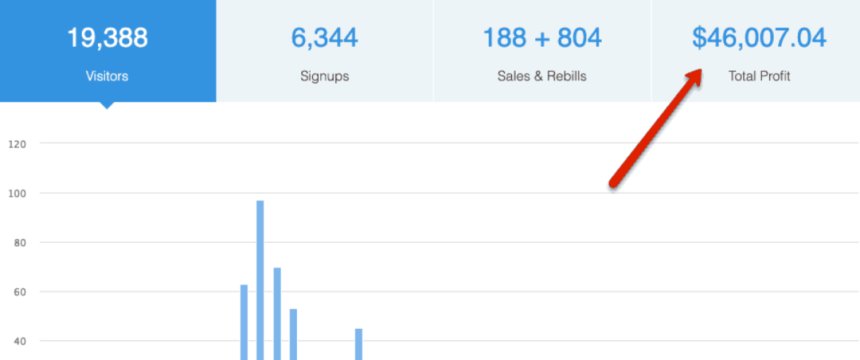
Also, don't underestimate the idea of promoting these products to earn commissions. Many foreigners are using this approach, as shown in the image below, where one foreigner simultaneously ran 3000 ads, all promoting this type of product.
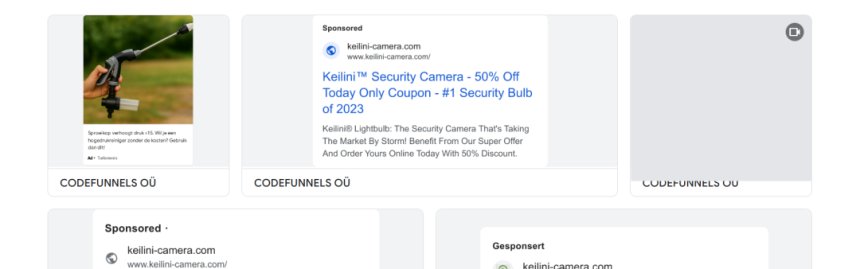
Because it's difficult to find suppliers for many products, applying to affiliate programs, getting offers, and then running ads to generate sales and earn commissions is a more sustainable approach. I currently handle these types of products this way, and the daily orders are quite good.
Take a look at the affiliate platform I'm using; it offers similar products, but I don't have to handle shipping myself, which is quite convenient. Of course, there are downsides too; the advertisers sometimes reduce the reported sales figures, and the payment cycle is one month.
Running Google ads is like target practice – it's not about blindly firing away, but about precisely placing the right product in front of the right customer at the right time.
The single-page website strategy, which has managed to thrive in Google Ads, relies on high-converting landing pages, precise keywords, and continuous optimization. Of course, this path isn't without its pitfalls: account suspensions, competition, supply chain quality issues, and after-sales problems... I've experienced all of these.
However, it was through repeated trial and error that I developed a reproducible strategy. If you're willing to explore and experiment on your own, you can try following the approach I've outlined today;
Finally, remember this: where there is traffic, there are opportunities.
Share
What's Your Reaction?
 Like
0
Like
0
 Dislike
0
Dislike
0
 Love
0
Love
0
 Funny
0
Funny
0
 Angry
0
Angry
0
 Sad
0
Sad
0
 Wow
0
Wow
0




![Citi Strata Elite Credit Card [Updated October 2025: 100k Sign-up Bonus]](https://ebaydiy.com/uploads/images/202601/img_w500_69610b6ca9be86-12427828.jpg)