
Google Ads Targeted Customer Acquisition Guide: 5 High ROI Case Studies - Learn the Strategies Directly!
Mastering Google Ads is never easy: it involves many features, numerous strategies, and even more complex tactics. Regardless of budget size, whether an ad "burns money" or "generates money" depends entirely on how it is written and presented.


Mastering Google Ads is never easy: it involves many features, numerous strategies, and even more complex tactics. Regardless of budget size, whether an ad "burns money" or "generates money" depends entirely on how it is written and presented.
This article compiles several real-world Google Ads case studies that demonstrate successful results, explaining why they were successful and how the underlying strategies can be reused.
Case 1 | Getting straight to the point: Directly stating the solution
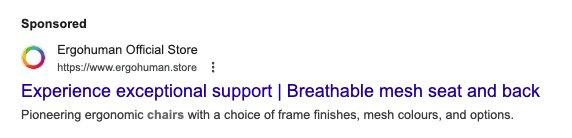
When writing ads, don't beat around the bush; first, clearly state "what problem it can solve for you." List the most common pain points for your target audience—back pain, prolonged sitting in hot weather, lack of after-sales service—and then write the solutions into the copy:
• 24/7 live customer service, no questions left unanswered overnight.
• The most breathable mesh fabric available online, preventing stuffiness and sweating even after sitting for long periods.
• Ergonomic back support chair, no more back pain
Users will only click through if you translate pain points into selling points.
Why does this strategy work?
Because it precisely addresses the searcher's current needs and provides the most direct solutions. The more specific the pain point, the more decisive the click. As for whether a sale will be made after clicking through, it depends on whether the landing page and product can convert interest into orders.
Operating instructions:
First, list "what you fear and what you want," then use the brand's selling points to "prescribe the right medicine."
Case 2 | Reassuring Users
Once you eliminate those concerns, the conversion rate will increase.
Whether it's "full refund if not satisfied," "free returns and exchanges," or "try before you buy," the essence is to help users relieve their psychological burden. Nowadays, everyone is careful with their money, minimizing risk, which is the strongest catalyst for placing an order.
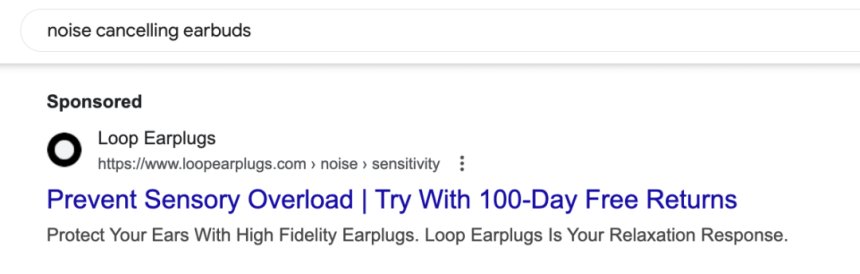
Loop earbuds' advertisements prominently feature "100-day free returns and exchanges" in the title. Compared to the common 14-30 day return period, this is almost "zero risk," giving users immediate peace of mind when making a purchase.
Why does this strategy work?
Because it first eliminates the psychological risk of "fear of buying the wrong thing" and then provides reassurance, click-through rates and conversion rates naturally increase. With the "right to regret," users are more willing to try, and brands naturally use "more protection than others" as a value-added selling point.
Of course, placing an order is just the beginning. The real skill lies in after-sales service: the quality of the product or service must be consistently high to keep users willing to stay, too lazy to return the product, and unwilling to cancel the trial.
Case 3 | Utilizing "Social Proof"
Social proof is an extremely powerful tool in marketing: consumers' purchasing decisions are largely influenced by the opinions and behaviors of others. Brands must proactively acquire and demonstrate social proof to build trust and credibility—this is especially crucial in today's world of massive social media presence and information overload.
Social identity takes many forms, including:
Product Reviews
User Recommendations
Collaborating with influencers/opinion leaders
Industry Certifications and Trust Badges
Community interaction
Highlight "best-selling" items
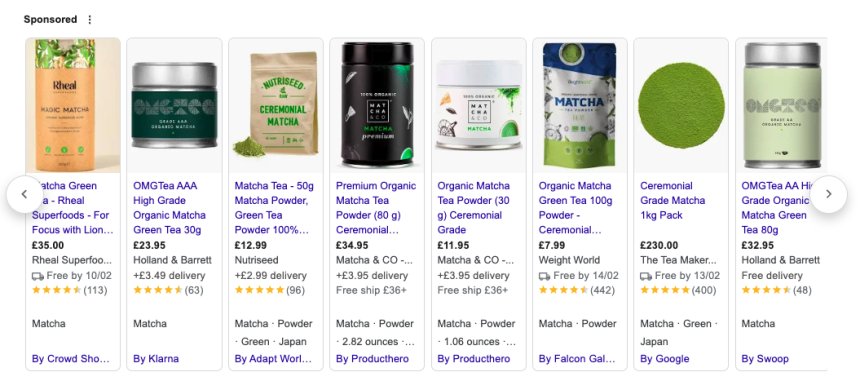
Product ratings (as shown in the shopping ad for matcha powder below) are an excellent way to demonstrate social endorsement in shopping ads and search ads.
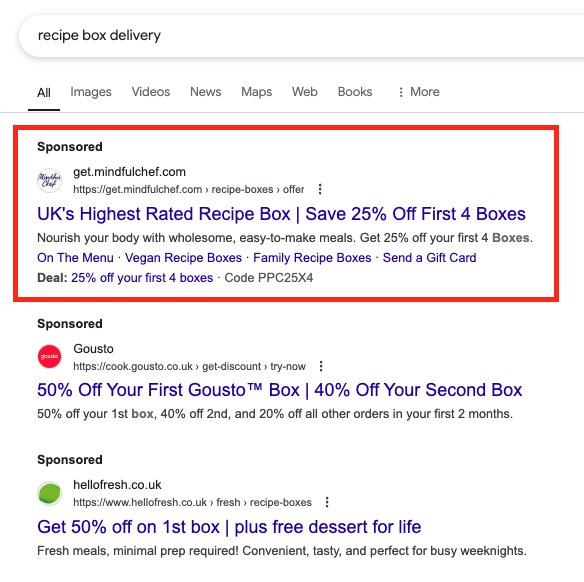
Mindful Chef used the phrase "Britain's highest-rated cooking kit" in its advertising copy, instantly building trust through the power of social endorsement.
Why does this strategy work?
Because it allows potential customers to see at a glance, "So many people have verified it, you are trustworthy." Placing positive reviews, authoritative endorsements, and official certifications directly into Google Ads can instantly dispel concerns and influence purchasing decisions.
Case 4 | Consider Search Intent
When choosing keywords and setting up your account structure, you must first clearly understand what users want to do, ensuring that your ad message, landing page experience, and search intent are perfectly aligned. This is a fundamental skill for running Google Ads.
If the goal is conversion, then focus on high-intent keywords;
If your budget is tight, don't waste money on broad and vague terms.
Search intent can also help you write compelling ads.
The plumbing company PM247 does this exceptionally well. When users search for "plumber near me," their ads immediately feature "same-day service," precisely targeting the "urgent repair" need and instantly grabbing attention.
Why does this strategy work?
Customizing Google Ads based on search intent is about providing consumers with a highly relevant, almost "personalized" experience. Simply think clearly: when users enter keywords like "fast flower delivery" or "local plumber," what do they actually want? Then provide that answer in the most direct and relevant way.
Case 5 | Competitive Bidding
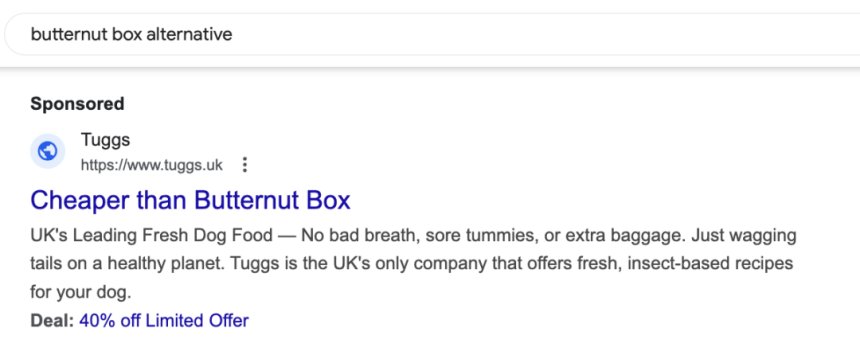
Whether bidding on competitor keywords is worthwhile is still debated within the industry, with both supporters and opponents. The situation also varies significantly across different industries: in some highly competitive sectors, bidding for competitor keywords has become commonplace; while in others, it's rarely done.
Dog food brand Tuggs not only won the bid for the brand name of its competitor Butternut Box, but also directly stated in the headline of its advertisement that it was "cheaper than Butternut Box", a move that accurately targeted price-sensitive consumers.
Why does this strategy work?
Competitive bidding should be handled with caution to avoid angering rivals or alienating potential customers; however, when used properly, it can become a powerful growth tool.
In search results, your brand will appear alongside well-known competitors, instantly boosting your exposure. At the same time, you can directly benchmark against your competitors, highlighting unique selling points such as "lower prices" and leveraging their brand influence to enhance your own brand.

Share
What's Your Reaction?
 Like
0
Like
0
 Dislike
0
Dislike
0
 Love
0
Love
0
 Funny
0
Funny
0
 Angry
0
Angry
0
 Sad
0
Sad
0
 Wow
0
Wow
0




![Chase Marriott Bonvoy Boundless Credit Card [Updated 2026.1: 5FN Sign-up Bonus Returns!]](https://ebaydiy.com/uploads/images/202601/img_w500_696108099da0e4-71828152.jpg)

![Citi Strata Elite Credit Card [Updated October 2025: 100k Sign-up Bonus]](https://ebaydiy.com/uploads/images/202601/img_w500_69610b6ca9be86-12427828.jpg)