
Advanced Google Shopping Ads Optimization: Step-by-step strategies to improve ROI and traffic.
For advertisers focused on overseas markets, Google Shopping Ads are a crucial channel for acquiring targeted customers and increasing conversions. However, optimization is not a one-time process; it requires a systematic and strategic approach. Today, we'll share a structured optimization framework.

For advertisers focused on overseas markets, Google Shopping Ads are a crucial channel for acquiring targeted customers and increasing conversions. However, optimization is not a one-time process; it requires a systematic and strategic approach. Today, we'll share a structured optimization framework.
Understanding product data thoroughly is the foundation.
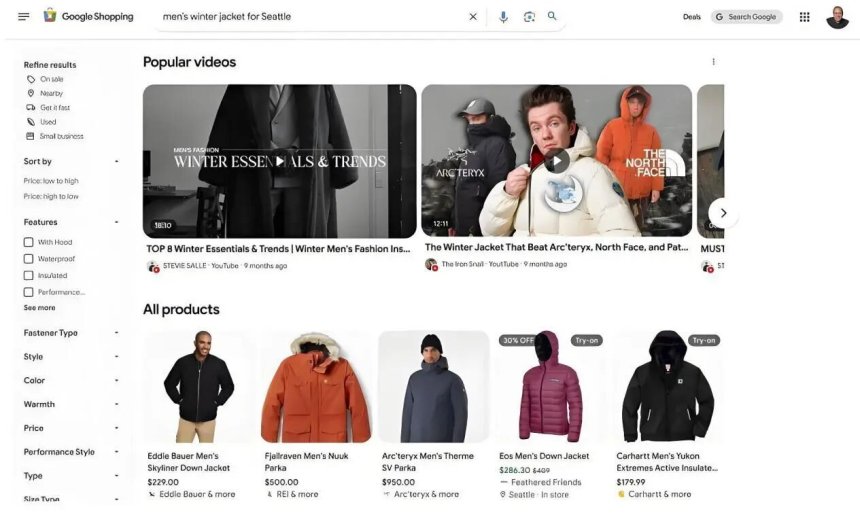
The first 70 characters of the title are crucial; users scan them at a glance, so you need to make it clear whether the product is what they're looking for. Following the structure of "Brand + Core Product Keyword + Key Attributes (e.g., model, color)" is a surefire way to get it right.
Images are your storefront; a clean background, prominent product, and high-definition, watermark-free images are the bare minimum. Avoid using flashy marketing images; shopping ads are all about looking like a legitimate product.
Don't be lazy with product attributes; choose the correct category, specify the exact model, and keep inventory and prices updated in real time. If this basic information is incorrect, the traffic the system matches for you will be completely off, and you'll be wasting money.
Don't put all the goods in one group.
Learn to categorize your products: separate them into high-profit core products, everyday bestsellers, and clearance items. Create separate groups for each category, allocating more budget and higher bids to the high-profit products.
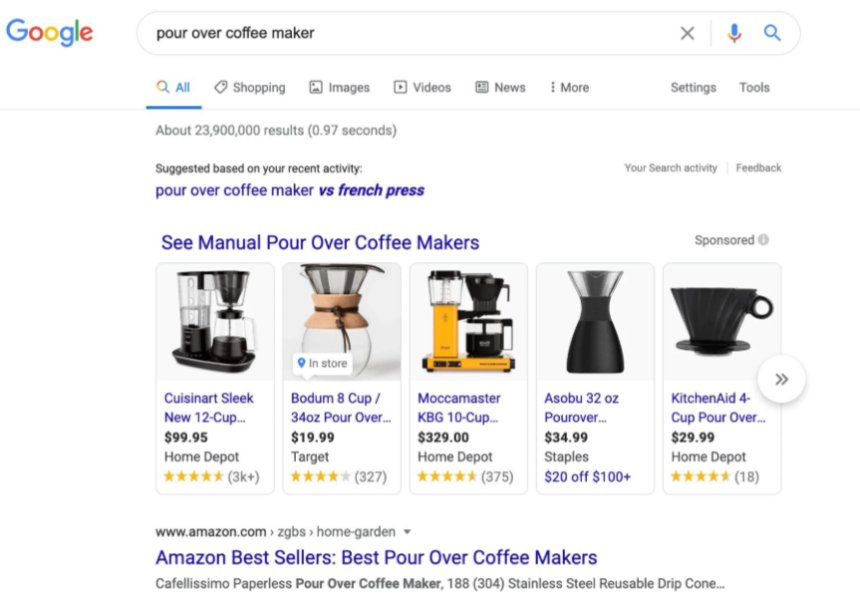
By effectively using the "negative keywords" feature and regularly reviewing your search term reports each week, you can block terms like "free," "used," and "tutorials"—keywords that attract clicks but don't lead to purchases—and save a significant amount of money.
Returning customers are worth spending extra money on. Create remarketing lists of people who have visited your website and increase your bids specifically for these audiences; their conversion rates are usually much higher.
Adjusting budget and bids
For well-performing campaigns, the best approach to scaling is "small steps and quick progress." Start with a budget of 100 today, then increase it to 120 tomorrow, and so on. Drastically increasing the budget by more than 50% in a single day can cause the system to malfunction and require retraining, potentially rendering previous data useless.
Once a campaign is running smoothly, don't be tempted to change the bidding targets. You might think that adjusting the ROAS from 1.9 to 2.1 will increase profits, but in reality, the system will have to learn from scratch again, and fluctuations for a week are common. Ultimately, it might even perform worse than before.
Only by actively filtering out impure traffic can efficiency be improved.
Negative keywords need to be planned in advance. In addition to reviewing reports, you should proactively block obviously irrelevant keywords based on your product. For example, if you are selling brand new mobile phones, you should directly block terms like "refurbished" and "used."
Analyze where your traffic is coming from and regularly review geographical reports. Consider excluding countries or regions that generate many clicks but never result in conversions.
By focusing on audience insights, the system will tell you which audience characteristics lead to better conversions, such as age and interests. This information can then be used to inform your product selection and content creation strategies.
If data is lost, troubleshoot according to the steps provided.
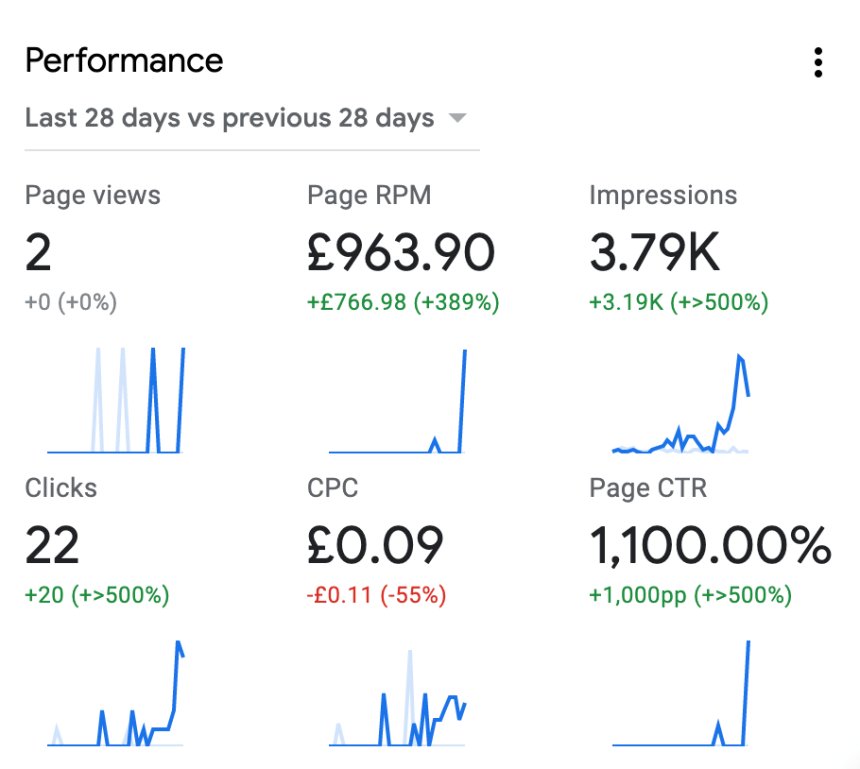
1. Click-through rate has dropped: Don't overthink it at first; immediately check if the product's main image needs to be changed or if the title isn't appealing enough. Compare it with your competitors.
2. Conversion rate has dropped: Take a two-step approach. First, check the website: are there any bugs in the shopping cart or payment process? Then, check the advertising: is a particular keyword spending a lot of money but generating no sales, thus eating up the budget for other keywords?
3. Sudden drop in impressions: Quickly check if your feed has errors and has been rejected, if your inventory is showing as zero, or if the market price competition is too fierce and your bids are completely uncompetitive.

Take a long-term perspective and keep up with the changes.
Don't dismiss PMax ads. Although they sometimes seem like a black box, they are definitely the trend. Try running a small campaign with a limited budget to gain experience. Don't wait until you're completely unfamiliar with them; it will be too late then.
To further refine your remarketing efforts, consider using dynamic remarketing for users who added items to their cart but didn't complete the purchase. This allows you to specifically show them the products they viewed and encourage them to complete the transaction.
When calculating profitability, you need to look at the overall picture, not just be happy with the ROAS figures on the front end. Allocate the advertising costs to the gross profit of each product and calculate the true profit. Sometimes a high ROAS might actually mean you're losing money while clearing out inventory.

Advanced optimization is not merely a collection of isolated techniques, but rather a systematic engineering process that integrates product data, advertising architecture, campaign timing, traffic quality, data diagnostics, and trend insights. Adopting a modular approach and maintaining consistent operations are essential for building a robust advertising moat in the long-term competitive landscape.
Share
What's Your Reaction?
 Like
0
Like
0
 Dislike
0
Dislike
0
 Love
0
Love
0
 Funny
0
Funny
0
 Angry
0
Angry
0
 Sad
0
Sad
0
 Wow
0
Wow
0





![Citi Strata Elite Credit Card [Updated October 2025: 100k Sign-up Bonus]](https://ebaydiy.com/uploads/images/202601/img_w500_69610b6ca9be86-12427828.jpg)